

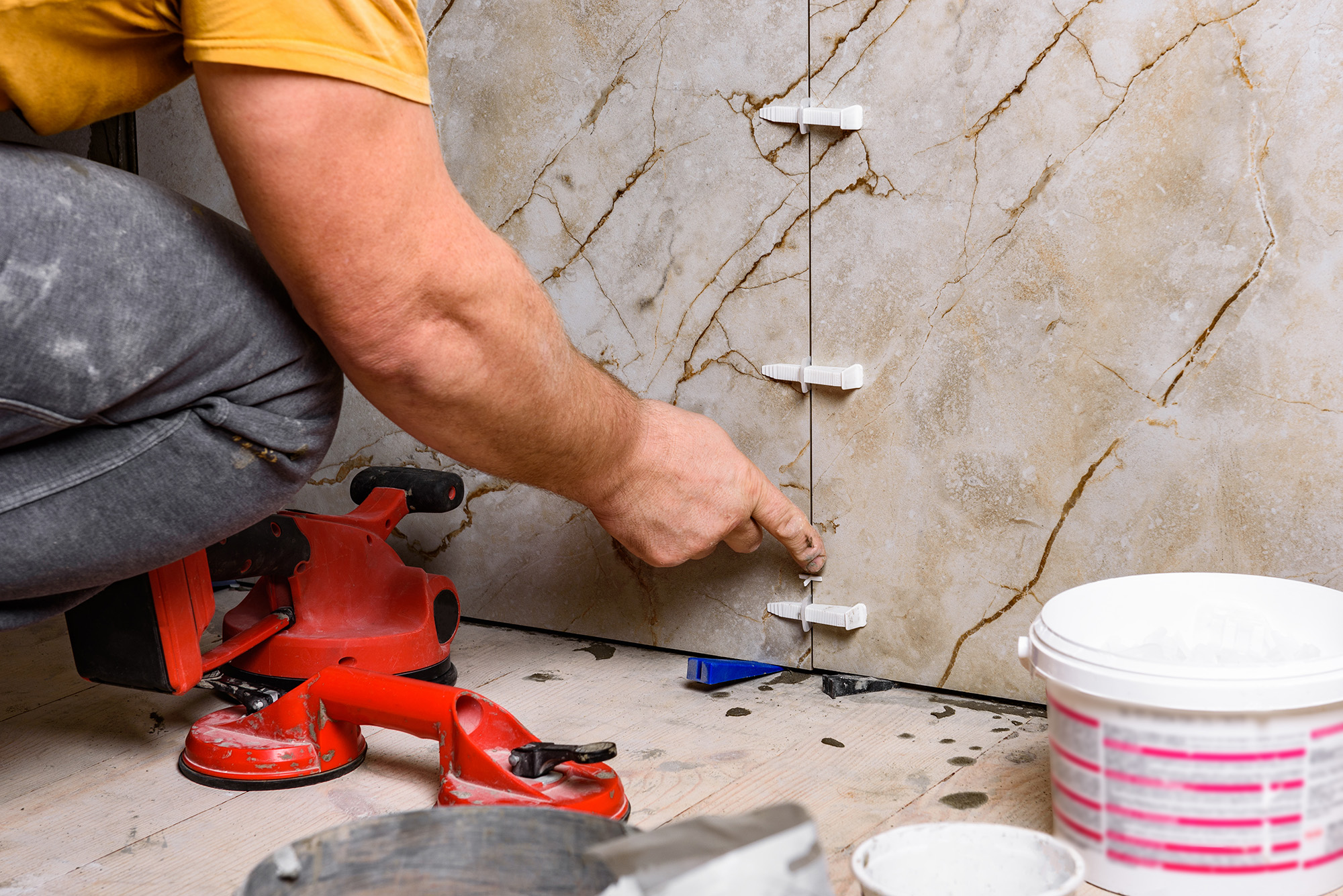
A tile that rocks, clicks, or shifts underfoot is a structural problem, not a cosmetic one. And loose tiles rarely stay “just one tile.” Once movement starts, grout cracks, neighboring tiles lose support, and the affected area grows. If you want a repair plan that doesn’t turn into repeat fixes, JN Tile can help you assess the floor, match materials, and scope the right solution through its La Porte-based team and shop-at-home approach.
Why tiles become loose
A tile becomes loose when the bond between tile, mortar, and substrate fails. Common culprits:
1) Inadequate thinset coverage
If the tile wasn’t fully supported (especially corners/edges), foot traffic gradually breaks the bond. This is common when:
trowel size was too small,
ridges weren’t collapsed,
back-buttering wasn’t done when needed,
or the installer moved too quickly and left voids.
2) Thinset failure from “skinning” or wrong mix
Thinset that skins over before tile is placed can look fine day one and fail later. Thinset mixed too wet, too dry, or retempered after setting begins can also weaken the bond.
3) Substrate movement (wood floors)
Tile is rigid. Wood systems move. If the floor flexes beyond what tile assemblies tolerate, grout cracks first, then tiles loosen. Often the underlying issue is inadequate subfloor thickness, improper underlayment, or a deflection problem.
4) Slab cracks (common in Texas)
Concrete slabs crack. If cracks weren’t addressed with the right strategy, movement transfers into the tile field and breaks bonding over time.
5) Missing movement joints
Without perimeter gaps and movement accommodation, tile can tent or shear loose as it expands/contracts. This can show up as scattered loosening and recurring grout failure.
6) Moisture intrusion
Leaks from dishwashers, refrigerators, toilets, tubs, or showers can weaken thinset and damage substrates. On wood, moisture can swell layers and destroy adhesion. On slabs, moisture can still contribute to bond breakdown when prep was poor.
How to tell what kind of loose tile you have
A quick classification helps determine the repair approach:
Tile rocks/clicks: tile has debonded or is sitting on voids.
Grout cracking around the tile: movement or poor support is likely.
Multiple tiles loose in a line: suspect a crack line, subfloor seam, or traffic-path stress.
Loose tile near a wet area: investigate moisture first, not last.
If there’s staining, musty odor, soft baseboard, or repeated grout discoloration, treat it as a moisture investigation before any reset.
Repair options
Option A: Spot remove-and-reset (best for isolated failures)
If only one to a handful of tiles are affected and the substrate is sound, a professional reset is typically the best value.
A correct reset includes:
removing grout around the tile perimeter
lifting tile and removing old thinset to a clean, flat substrate
checking substrate integrity and flatness
adding crack isolation or underlayment correction if required
resetting with correct thinset, trowel size, and full ridge collapse
allowing cure, then regrouting and sealing/caulking correctly where needed
Option B: Localized section replacement (when it’s spreading)
If you have a cluster of loose tiles, replacing a small section can be more durable than repeating spot resets. It also allows corrections to prep, flatness, and movement strategy across the whole zone.
Option C: Substrate correction (when movement is the real issue)
If the floor flexes or the slab is actively expressing cracks, tile resets alone won’t last. The repair has to include a substrate plan: reinforcing underlayment, adding uncoupling/crack isolation strategy, and ensuring movement joints are properly placed.
Option D: Full replacement (when the installation is broadly compromised)
If many tiles are loose/hollow, grout failure is widespread, or moisture damage is present, the durable fix is often full removal and reinstall with corrected prep and system components.
What not to do (common “quick fix” mistakes)
Regrouting to “tighten it”: grout is not structural bonding.
Adhesive/glue injections without diagnosis: may not spread evenly and won’t fix movement or moisture.
Setting tile over old thinset ridges: creates voids and lippage.
Ignoring moisture: repairs fail if the leak or damp substrate remains.
Loose tile is usually a sign that something underneath needs attention: coverage, movement, cracks, or moisture. JN Tile can help you identify the cause and choose the right repair method so the issue doesn’t spread. We serve La Porte, Deer Park, Pasadena, Seabrook, and Houston.
Contact us to schedule an evaluation and get a repair plan and quote you can rely on.


